Rain Check? Mountain Festivals Rarely Need One — Here's Why
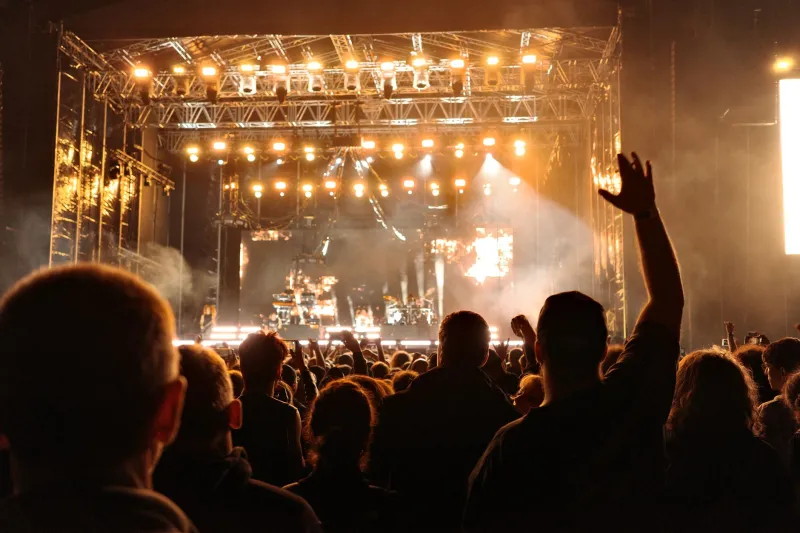
There's a moment every festival-goer dreads: you're two songs into a headliner set, the sky turns the color of a bruise, and suddenly the stage manager is on the mic asking everyone to shelter in place. Show postponed. Maybe canceled. Your $200 ticket is now a very expensive souvenir.
It happens constantly at urban amphitheaters and city park festivals across the country. But if you've ever spent a summer chasing music through mountain towns — think Telluride, Aspen, or the Alpine-inspired events dotting the Rockies and Appalachians — you've probably noticed something: the show tends to go on. Even when the weather gets weird.
That's not a coincidence. It's geography, engineering, and a whole lot of operational experience working together in ways most festivalgoers never think about.
The Weather Up There Is Actually More Predictable (Sort Of)
This might sound counterintuitive. Mountains mean afternoon thunderstorms, right? Yes — but those storms follow remarkably consistent patterns, and experienced mountain event operators know how to read them like a second language.
High-altitude weather systems tend to move fast and follow predictable daily rhythms. In many mountain regions, storms build in the early afternoon and clear by early evening — which is exactly when most headline acts take the stage. Event producers who've worked these venues for years schedule around these patterns instinctively.
"We've been doing this long enough that we can look at the cloud formation over the ridge at 2 p.m. and have a pretty good sense of what 7 p.m. is going to look like," says one Colorado festival operations director who's been running outdoor events at altitude for over a decade. "City venues don't have that kind of local knowledge baked into their DNA."
Urban venues, by contrast, deal with weather systems that stall, linger, and interact with heat islands created by concrete and steel. A storm that might blow through a mountain valley in 45 minutes can park over a city for hours.
Drainage Infrastructure That Actually Works
Here's something nobody puts in the festival brochure: what happens to the ground when it rains.
Mountain venues — particularly those built with European Alpine aesthetics in mind — are almost always situated on terrain that drains naturally. Sloped hillsides, rocky substrates, and gravel-heavy soil profiles mean that even a significant rainfall event doesn't turn the grounds into the mud pit that famously swallowed Woodstock '99.
Many purpose-built mountain event spaces have invested heavily in engineered drainage systems that go well beyond what you'd find at a typical city park or fairground. Permeable surfaces, French drains, and careful grading allow water to move away from stages and audience areas quickly. A one-inch rainfall that would shut down a grass-field urban festival for safety reasons might barely register at a well-designed mountain venue.
Compare that to the average city amphitheater, which is often retrofitted into existing urban infrastructure — parking lots, reclaimed industrial land, parks designed for passive recreation rather than heavy foot traffic during rain events. The drainage just isn't there.
The Indoor-Outdoor Hybrid Advantage
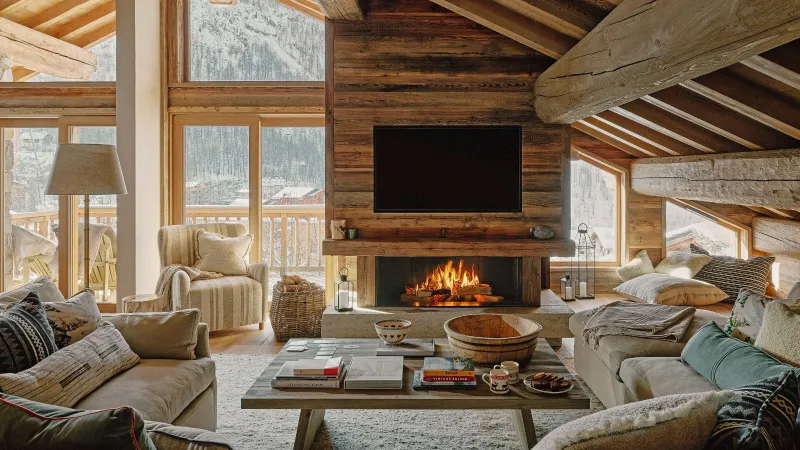
One of the defining features of Alpine-style venues — both in Europe and in the American mountain towns that have borrowed liberally from that aesthetic — is the seamless blend of covered and open-air spaces. Think wide timber overhangs, partially enclosed pavilion stages, and lodge-style structures that can absorb a crowd without feeling like you've retreated indoors entirely.
This design philosophy, rooted in the practical reality of building functional gathering spaces in unpredictable mountain climates, gives event operators a flexibility that flat-land venues simply don't have. When weather threatens, the transition from "outdoor concert" to "covered performance" can happen with minimal disruption — sometimes without the audience even fully registering the shift.
"The goal was always to make the space work in any weather," explains the designer behind a well-known mountain music venue in the Pacific Northwest, which draws inspiration from Austrian and Swiss festival architecture. "In the Alps, you build for the mountain. You don't pretend the mountain isn't there."
City venues, especially those built for maximum capacity, tend to be binary: either fully outdoors (and therefore vulnerable) or fully indoors (and therefore acoustically and experientially very different from what outdoor festival audiences want). The middle-ground option — partially covered, naturally sheltered, architecturally adaptive — is a luxury that mountain geography and design tradition provide almost automatically.
The Numbers Tell the Story
While comprehensive industry-wide data on festival cancellations is notoriously hard to aggregate — promoters aren't exactly eager to publicize their rain-out rates — informal surveys of event producers and ticketing platforms paint a consistent picture.
Weather-related cancellations and significant delays at mountain and Alpine-style venues run meaningfully lower than at comparable outdoor events in major metro areas. One regional ticketing platform that tracks events across the Mountain West estimated that weather-related disruptions at altitude venues ran roughly 40% lower than at similar-capacity outdoor events in urban settings over a five-year period.
For festivalgoers, that translates directly into peace of mind — and for the events themselves, it translates into reputation. Word gets around that certain mountain festivals just don't get rained out. That reliability becomes part of the brand, which drives ticket sales, which funds better infrastructure, which makes the venue even more resilient. It's a virtuous cycle that urban promoters genuinely envy.
What City Venues Can Learn
Some urban event producers are starting to take notes. The surge in Alpine-aesthetic festival design across the US — from pop-up Bavarian-style structures at city events to permanent pavilion investments at regional amphitheaters — isn't purely aesthetic. Operators are recognizing that the design principles that make mountain venues weather-resilient can be adapted, at least partially, to lower-elevation settings.
Better drainage, covered stage wings, modular shelter structures, and smarter scheduling that accounts for local weather patterns are all tools that city venues are slowly incorporating. But they're playing catch-up with venues that have been solving these problems for decades — or, in the case of their European Alpine inspirations, for centuries.
The Bottom Line for Festival Travelers
If you're the kind of person who's been burned by a canceled show — and honestly, who hasn't — there's a practical takeaway here: mountain festivals are a genuinely safer bet when it comes to the show actually happening.
That's not a guarantee. Weather is weather, and even the best-prepared mountain venue will occasionally face conditions that force a cancellation. But the combination of predictable storm patterns, superior drainage, and hybrid indoor-outdoor design gives mountain and Alpine-style festivals a structural resilience that's hard to replicate on flat urban ground.
So next time you're weighing a weekend road trip to a mountain music event against a city festival closer to home, factor in more than just the lineup. The altitude might be doing more work than you think — keeping the lights on, the stages dry, and the music playing right through the afternoon clouds.