The Party After the Party: How Alpine Festival Towns Are Turning Late Nights Into an Economic Lifeline
Photo: John William Edy, Public domain, via Wikimedia Commons
It's 11:15 PM on a Saturday in a small Colorado mountain town. The festival's main stage shut down forty-five minutes ago — noise ordinance, it's a whole thing — but the streets are somehow more alive than they were during the headliner's set. A pop-up bar has materialized in what was a hardware store twelve hours earlier. Two blocks away, a local brewery is hosting an acoustic set from one of the opening acts. The ski lodge at the edge of town has transformed its dining room into a late-night dance floor, and the line to get in wraps around the corner.
This isn't an accident. This is a plan.
Across the country, a growing number of mountain communities that have leaned into Alpine festival culture are figuring out that the most valuable hours of a multi-day event might not be the ones with the biggest names on the bill. They're the hours after — and the communities that have cracked the code on those hours are seeing economic returns that are changing the conversation about what rural event hosting can actually look like.
Building the 24-Hour Festival Economy
The traditional festival model has always been pretty linear. You build a stage, you book acts, you sell tickets, and when the music stops, the economic activity largely stops with it. Attendees retreat to campsites or drive back to wherever they came from, and the town itself captures relatively little of the money flowing through the event.
The towns doing this differently have started thinking about festival programming the way a theme park thinks about guest experience — as something that should fill every waking hour with reasons to spend time (and money) in the community. The main stage is the anchor, but it's not the whole story.
In practice, this looks like coordinated networks of after-parties, pop-up venues, and late-night activations that are officially — or at least semi-officially — connected to the larger festival. Local bars sign on as satellite venues. Restaurants extend their hours and build festival-specific menus. Hotels and lodges become entertainment spaces. The whole town becomes the venue, and the festival's footprint expands from a single field to an entire ZIP code.
The Alpine Aesthetic as a Unifying Thread
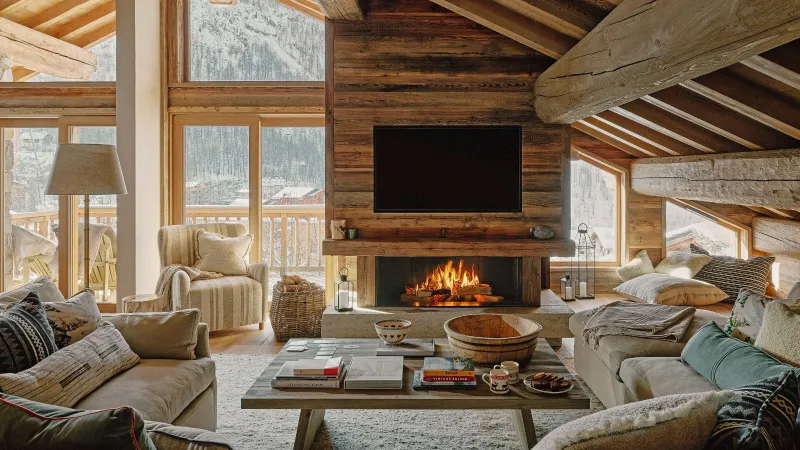
What makes this work in mountain communities specifically — and why the Alpine-inspired towns are particularly good at it — comes down to built-in atmosphere. A small mountain town with timber-frame architecture, string lights strung between buildings, and a general vibe of cozy European warmth doesn't need to manufacture ambiance for a festival after-party. It already has it.
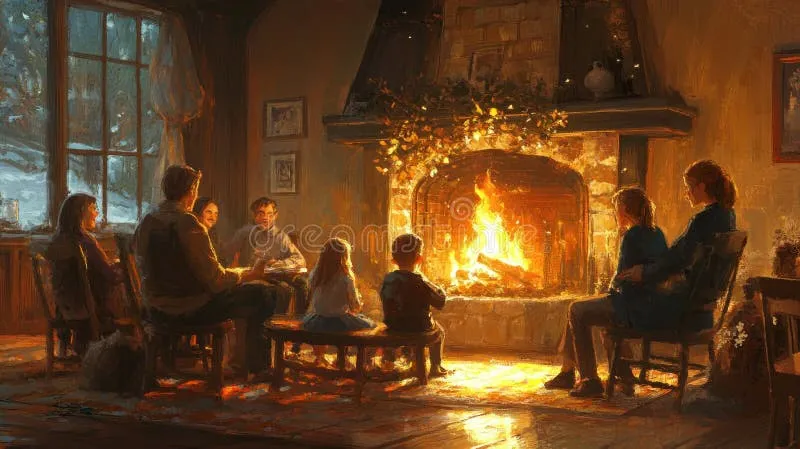
The après-ski culture that's been part of mountain town DNA for generations translates almost perfectly to the après-concert context. The social rhythms are the same: you've shared an experience, you're energized, you want to extend the feeling, and you want somewhere warm and lively to do it. Alpine-styled lodges, local taverns with stone fireplaces, and open-air plazas that feel vaguely like something you'd find in Bavaria or Austria provide exactly that container.
Some towns have leaned into this explicitly, theming their after-party programming around the European mountain tradition — think mulled wine service, folk music alongside the DJ sets, and décor that bridges the gap between Oktoberfest and a Colorado ski town. It sounds like a gimmick, but executed well, it creates a coherent sense of place that makes the entire festival weekend feel like a genuine destination experience rather than just a show you attended.
What It Actually Does for Local Businesses
The numbers, where towns have started tracking them, are striking. Several mountain communities that have implemented coordinated after-party programming report that local business revenue during festival weekends has increased by anywhere from 40 to over 100 percent compared to pre-coordination years — when the festival existed but the after-party ecosystem didn't.
The mechanism is pretty straightforward. Festival attendees who might have spent $200 on a ticket and $30 on a beer at the main stage are now spending $200 on the ticket, $80 at a local restaurant, $60 at a bar hosting a satellite show, and another $40 at a late-night pop-up. The money that used to flow almost entirely to the festival operator is now distributing across the local economy.
For towns that have been struggling with the economic volatility that comes with seasonal tourism — ski towns especially, where the off-season can be brutal — this kind of festival-anchored economic activity is genuinely meaningful. A few well-executed festival weekends with robust after-party programming can meaningfully move the needle on annual small business revenue in a community of a few thousand people.
The Logistics Are Harder Than They Look
None of this happens organically, and the towns that are doing it well are quick to acknowledge the coordination required. Getting a dozen local businesses to align on programming, hours, and marketing — while also navigating noise ordinances, liquor licensing, and the logistical reality of suddenly having 5,000 people who all want to be somewhere at midnight — is genuinely complicated.
The most successful models tend to involve a dedicated coordinator, often employed by the town's chamber of commerce or a local events nonprofit, who acts as the connective tissue between the main festival and the satellite programming. This person manages the communication between venue operators, handles the permitting headaches, and builds the kind of trust between stakeholders that makes spontaneous-feeling coordination actually possible.
Some festival organizers have started building this coordination into their contracts with host communities — essentially requiring a certain level of local after-party infrastructure as a condition of bringing the event to town. It's a signal of how seriously the industry is starting to take the full-weekend experience as a differentiator.
A New Model Worth Watching
What's emerging in these mountain towns is something that doesn't have a clean name yet but represents a genuinely new approach to the relationship between live events and the communities that host them. Instead of a festival dropping into a location, extracting economic value, and leaving, the best versions of this model create a situation where the town and the event are genuinely symbiotic — where the community's character and infrastructure make the festival better, and the festival makes the community more economically resilient.
It's not a perfect system. Not every town has the right mix of businesses, infrastructure, and civic will to pull it off. And there are real tensions — longtime residents who moved to quiet mountain towns aren't always thrilled about weekends where the streets are packed until 2 AM.
But for the communities getting it right, the after-party has become more than a fun extension of the main event. It's become a model for survival — and in some cases, a genuine revival. The music might stop at midnight, but the economy keeps playing a little longer. And in a small mountain town trying to find its footing in a complicated era for rural America, that extra time can make all the difference.