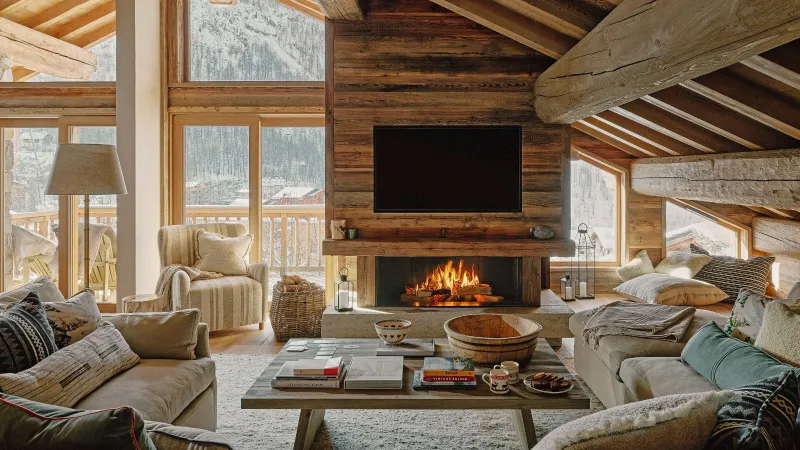
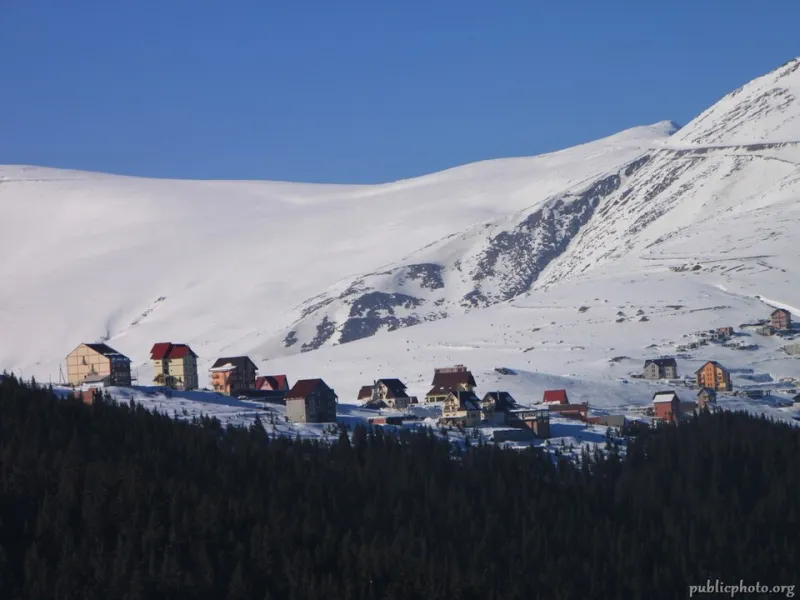
The Show Never Really Ends: Inside the Late-Night Lodge Culture Reshaping Mountain Festivals
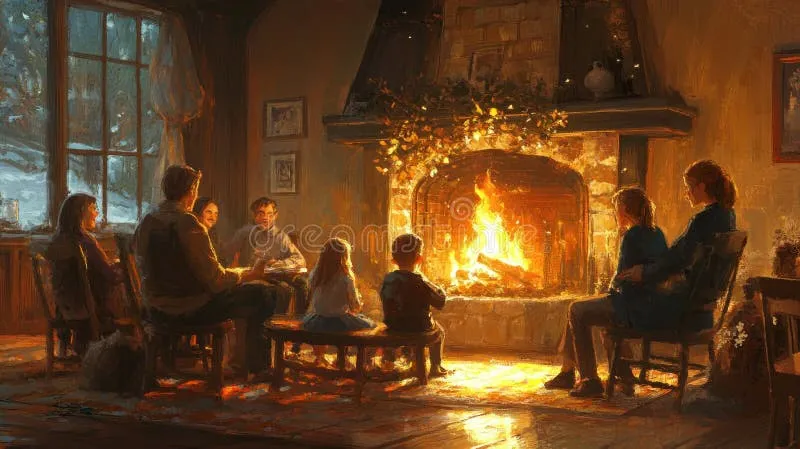
Photo: cozy mountain lodge cabin interior with people gathered around fireplace at night, via thumbs.dreamstime.com
It started, as many good things do, with someone not wanting the night to end.
The story gets told a few different ways depending on who you ask in the mountain festival circuit, but the gist is consistent: a group of musicians, still buzzing from a set, wandered into a lodge common room after the main stage wrapped, someone picked up an acoustic guitar, and four hours later a crowd of thirty people were watching something they'd remember longer than the ticketed show.
That kind of accidental magic has been happening at mountain venues for years. What's changed is that organizers are now building entire frameworks around it — and audiences are showing up specifically because of what happens after the headliner goes home.
What Exactly Is Après-Show?
Borrow the concept from skiing culture and the parallel is almost too clean. Après-ski — the tradition of gathering at lodges for drinks, warmth, and social ritual after a day on the slopes — is one of the defining features of Alpine resort culture. It's not just a party. It's a decompression ritual, a way of processing the shared experience of the mountain with other people who were there.
Àprès-show applies the same logic to live music. The concert itself is the mountain. Everything that follows — the late-night sessions, the communal meals, the informal performances in lodge spaces — is the warm room at the bottom of the run.
Venues and festival operators in mountain destinations across the American West have been formalizing this instinct over the past several years, and the results range from intimate to genuinely elaborate.
What It Actually Looks Like
At some mountain festivals in Colorado and Wyoming, the après-show programming is now printed in the official schedule — though organizers are careful about how they market it, because half the appeal is the feeling of stumbling into something unplanned.
Typical formats include:
Cabin sessions. Small, ticketed (or sometimes invite-only) acoustic performances in on-site lodging spaces. Capacity is deliberately limited — often thirty to sixty people — and the setting is stripped down. No stage, no elaborate lighting, no barrier between artist and audience. Some venues have converted specific cabins into semi-permanent intimate performance spaces with good acoustics and comfortable seating. Others keep it genuinely casual: a few chairs, some candles, and whoever felt like playing.
Late-night lodge jams. The less structured version. A common room, some instruments, an open invitation. These can run until three or four in the morning and often feature collaborations between performers from different acts on the bill who wouldn't otherwise share a stage. For music fans who care about the craft, watching two artists from completely different genres figure something out together in real time is often more interesting than the ticketed performances.
Sunrise breakfast sets. The other end of the clock. Some mountain venues have started offering early morning acoustic performances — genuinely early, think 6:30 or 7 a.m. — paired with breakfast in a lodge setting. The crowd is small, the energy is quiet and communal, and the light coming through the windows is doing things that no production budget can replicate. These have developed cult followings at several festivals, with attendees setting alarms specifically to catch them.
Why Mountain Settings Make This Work
This trend isn't happening at urban festival venues, and that's not an accident. The Alpine setting is load-bearing.
Mountain festival venues tend to concentrate their audiences in shared physical spaces in ways that city events don't. When everyone is staying in the same cluster of cabins, eating in the same lodge, gathering around the same fire pit, the social infrastructure for extended communal experiences already exists. You don't have to manufacture intimacy — the setting provides it.
There's also something about the mountain environment that makes people want to stay present. No one is scrolling Instagram quite as aggressively when they're sitting on a porch at 9,000 feet with a view of a ridge line and someone playing a song ten feet away. The phone goes in the pocket. The conversation gets better.
Venue operators who've pioneered this format talk about the mountain setting as almost doing their programming work for them. "We don't have to convince people to engage," says the operator of one Colorado mountain festival that has become known as much for its late-night cabin sessions as for its main stage lineup. "The environment does that. We just have to not get in the way of it."
The European Precedent
None of this is entirely new, of course. Alpine festival culture in Europe — particularly in Austria, Switzerland, and the German-speaking regions of northern Italy — has long treated the social experience surrounding the music as equal in importance to the performances themselves. Festivals in these regions are designed around the idea of extended communal time: long dinners, late evenings in Hütten (mountain huts), folk music that bleeds into the early morning hours.
American festival culture has historically been more transactional — you buy a ticket, you see the show, you leave. What's happening at mountain venues now feels like a genuine cultural import, a recognition that the European approach to live music as a multi-day social ritual has something the US festival scene has been missing.
Who's Driving This
Interestingly, the demand is coming from multiple directions at once. Younger audiences who've grown up with algorithmic music discovery are increasingly hungry for unmediated, unscripted experiences — the kind of thing that can't be replicated on a streaming platform. Older festival veterans who've been to enough large-scale events are looking for something that feels more like the early days of the festivals they loved, before production values ate the intimacy.
And artists, it turns out, often love it. The après-show cabin session has become a draw for performers who want to play in a context where the audience is genuinely listening, where the stakes are low, and where the conversation between performer and crowd can actually happen.
Getting In
If you want to experience this, the access varies. Some venues include après-show programming in general festival passes. Others offer it as a tiered add-on. The most exclusive versions — the genuinely small cabin sessions with notable artists — often go through mailing lists or are announced with very short lead times, partly to keep capacity manageable and partly to preserve the spontaneous feeling.
The best advice from regulars: stay on-site if the option exists, and don't leave when the main stage wraps. The mountain night is long, and the best part of it is rarely the part that was on the poster.