Why the Best Mountain Music Experiences Happen When Everyone Else Has Gone Home
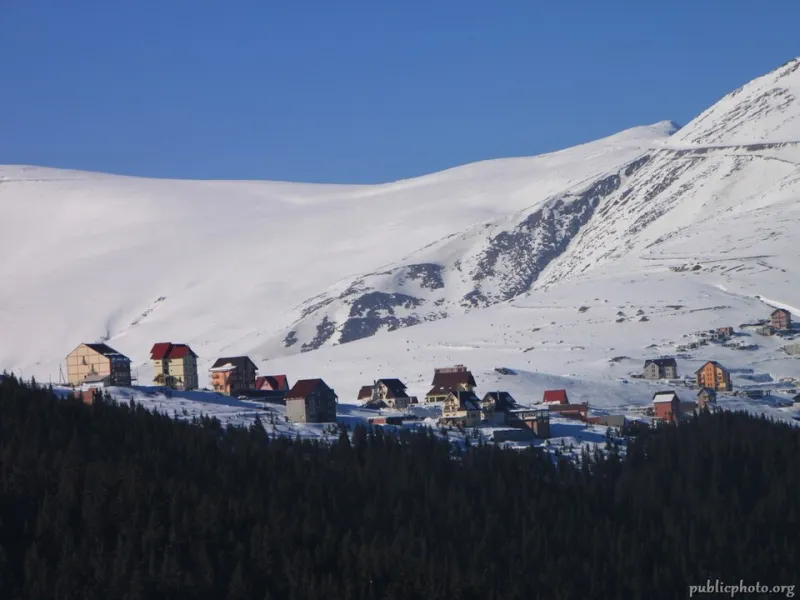
Photo: Public Domain Photos, CC BY 3.0, via Wikimedia Commons
Every August, the same conversation happens in festival circles. Someone mentions they're going to a big summer mountain festival — Telluride, Snowmass, wherever — and someone else immediately groans about the prices, the crowds, the sold-out lodging, the two-hour traffic backup on a two-lane highway. It's become almost a ritual.
Here's the thing, though: the mountains don't stop being magical in September. Or December. Or February. The music doesn't disappear when the summer crowds do. In fact, for a growing number of festival travelers, the off-season is when things get genuinely interesting.
The Myth of the Summer-Only Mountain Experience
The idea that Alpine culture — whether in the American Rockies or the European highlands — is exclusively a warm-weather phenomenon is mostly a marketing artifact. Summer festivals are easier to sell. The visuals are better for posters. Nobody has to explain to potential attendees that yes, it will be cold, and yes, that's actually the point.
But dig into the actual cultural calendars of mountain communities and a very different picture emerges. Innsbruck, Austria runs a series of chamber music performances in historic venues throughout the winter that draw a fraction of the summer tourist numbers but offer a level of intimacy that July simply can't match. The Swiss city of Verbier, famous among skiers, hosts a classical music festival in late July — but its winter concert series, tucked into the shoulder season, is where serious music travelers have started quietly showing up.
Closer to home, the story is similar. Breckenridge, Colorado has built out a year-round arts and music calendar that peaks not in summer but in the weeks surrounding the ski season's sweet spot — late January through March — when the town has energy and infrastructure without the chaos of peak tourist months.
Fall: The Underrated Window
If winter feels like a leap, fall is the gentler on-ramp to off-season mountain travel. And right now, fall is arguably the most exciting time on the American alpine music calendar.
The Telluride Blues & Brews Festival runs in mid-September, after the summer crowds have cleared but before the ski-season influx begins. The result is a version of Telluride that feels almost like a different town — more relaxed, more local, with the aspens just starting to turn and temperatures that make outdoor music feel like a gift rather than a gamble.
Further north, the Big Sky Documentary Film Festival in Missoula, Montana (technically a film event, but one deeply embedded in the region's cultural music scene) runs in February and has become a genuine gathering point for the kind of creative community that usually scatters in the off-season.
In Asheville, North Carolina — which has developed its own distinct mountain-music identity over the past decade — fall brings a string of smaller venue events and local festival weekends that the city's arts scene actually prefers. "Summer is for the tourists," one local musician told us, somewhat diplomatically. "Fall is when we play for each other."
European Alpine Destinations That Welcome You in the Off-Season
For American travelers willing to cross the Atlantic, the off-season opens up a version of Alpine Europe that guidebooks barely mention. The math is also considerably better: flights, accommodation, and event tickets all drop significantly once you step outside the June-August window.
Salzburg, Austria is the obvious entry point for classical music, and its famous festival runs in summer — but the city's winter Advent concerts, held in historic churches and the old town's cobblestoned squares, are genuinely moving experiences that cost a fraction of summer festival tickets. The crowds are manageable, the atmosphere is extraordinary, and you can actually get a table at dinner.
Chamonix, France has developed a winter music scene that runs parallel to its legendary skiing culture. Several venues in town host live jazz, folk, and electronic acts throughout the ski season, and the combination of world-class mountain access and genuine nightlife energy makes it a compelling destination for music-minded travelers who also happen to ski.
Lucerne, Switzerland deserves special mention for its November festival, which focuses on contemporary classical and experimental music and has been quietly building a reputation as one of Europe's most adventurous programming events. It's not cheap — Switzerland rarely is — but it's dramatically more accessible than peak season, and the autumn light on Lake Lucerne is something else entirely.
Practical Notes for the Off-Season Traveler
Going off-season requires a slightly different mindset than summer festival travel. A few things worth knowing:
Verify before you book. Some mountain venues and smaller festivals have irregular schedules, and off-season programming can change year to year. Always confirm directly with venues rather than relying on aggregator sites.
Embrace the locals. Off-season mountain towns are full of the people who actually live there, and they're generally much more willing to talk, recommend, and engage when they're not overwhelmed by summer visitor volume. Some of the best off-season experiences come from following a local's recommendation rather than a festival program.
Layer your trip. The best off-season mountain travel mixes ticketed events with more spontaneous experiences — a local bar with live music on a Tuesday, an impromptu concert in a town square, a small venue that doesn't appear in any travel guide. Leave room in the schedule.
Pack for real weather. This sounds obvious but it bears saying: mountain weather in October, January, or March is not San Diego weather. Dress for the conditions and you'll be comfortable and happy. Underprepare and you'll be miserable regardless of how good the music is.
The Crowd That Stays
There's a particular kind of person who keeps showing up to off-season mountain events — not the Instagram-first festival tourist, not the bucket-list traveler who needs the biggest possible version of everything. They tend to be people who've done the summer circuit and found themselves wanting something quieter, more considered, more connected to the actual culture of the place rather than its peak-season performance of itself.
If that sounds like you, the mountains are ready whenever you are. You just have to show up when the snow is falling instead of waiting for the sun.