From the Alps to the Amphitheater: How European Mountain Design Is Changing the Way Americans Experience Live Music
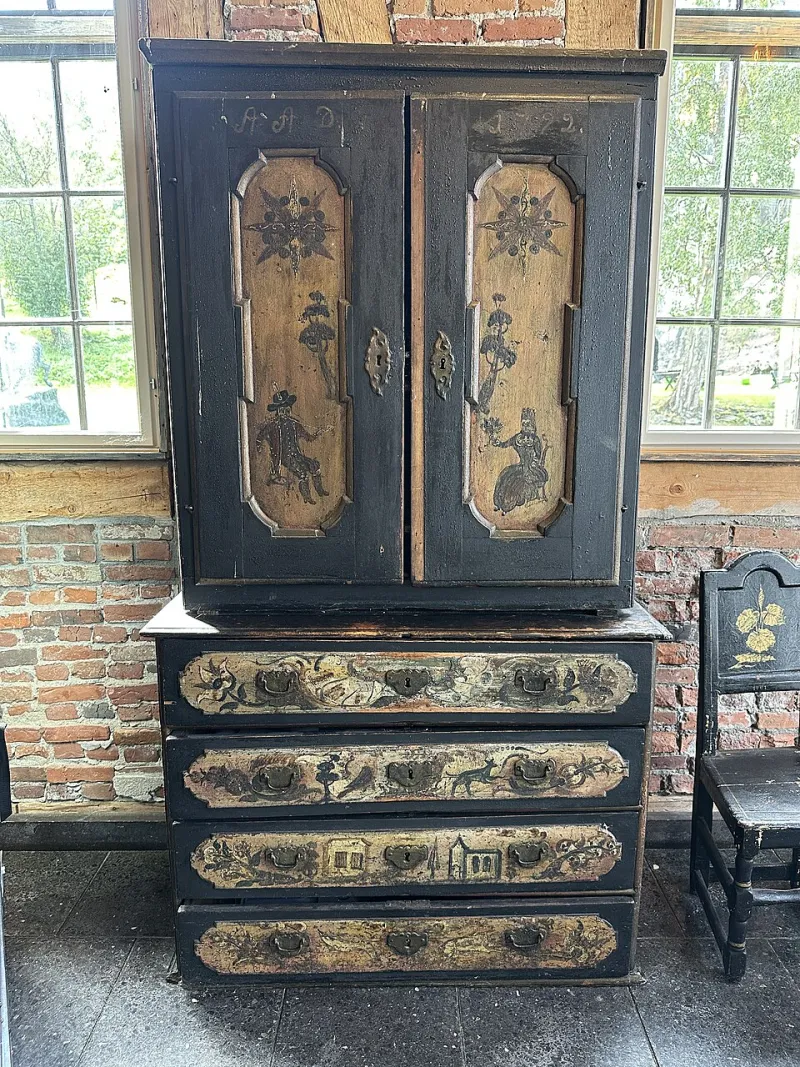
Photo: Wolfmann, CC BY 4.0, via Wikimedia Commons
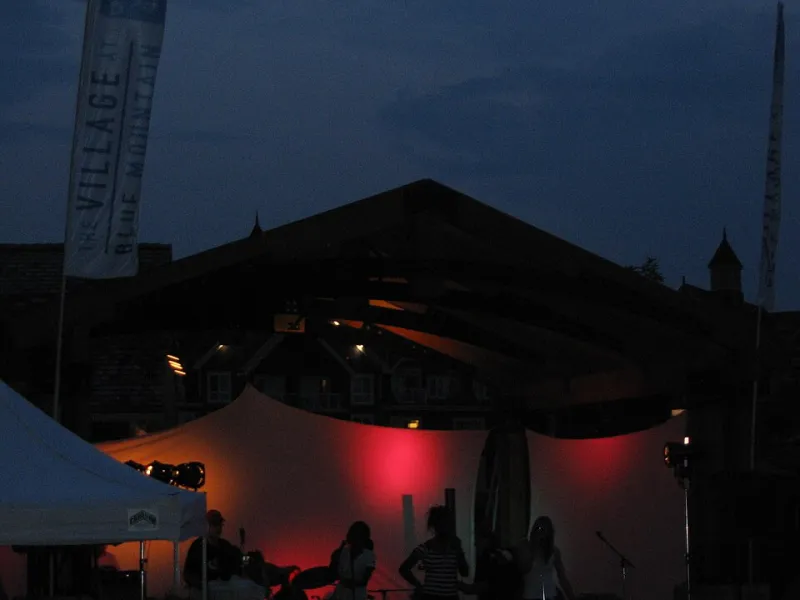
Walk into a mid-sized concert venue in, say, Bozeman, Montana or Asheville, North Carolina these days and you might notice something a little different. The exposed timber. The way the sound seems to wrap around you instead of bouncing off concrete. The fact that you can actually see the performer's face without squinting at a jumbotron. These aren't accidents — they're choices, and increasingly, those choices are being made with one eye on a very specific part of the world.
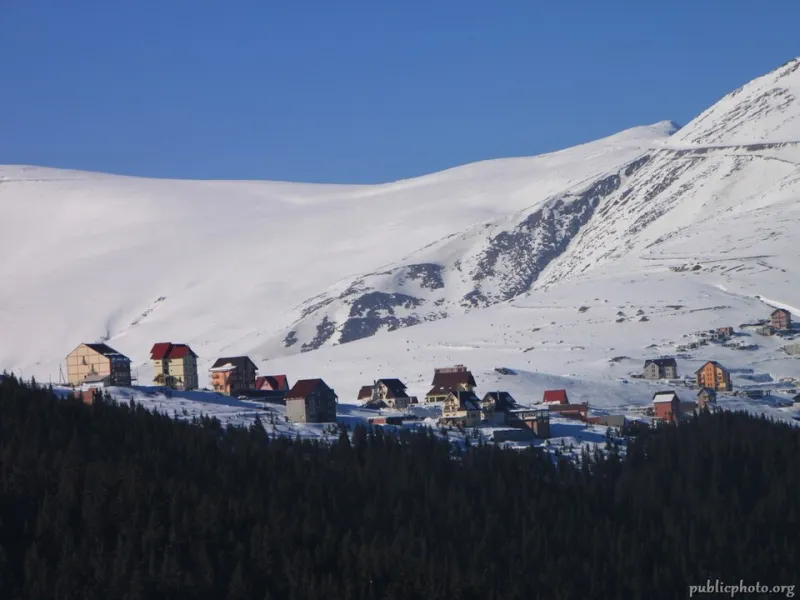
European Alpine culture has quietly become one of the most influential aesthetic forces in American live entertainment design. From stagecraft and acoustics to crowd flow and even bar placement, venue architects and event promoters are reaching into the toolkit of mountain-country concert traditions and finding that American audiences are genuinely responding.
Why Now?
The timing makes a certain kind of sense. After years of pandemic-era cancellations and the slow-burn backlash against massive, impersonal stadium shows, American event-goers started craving something more grounded. More tactile. More real.
Sarah Ohlendorf, a Denver-based venue consultant who has worked on projects in both Colorado and Bavaria, puts it simply: "People got tired of feeling processed. Like they were moving through a machine. Alpine venues — the ones in Austria, Switzerland, parts of northern Italy — they've always understood that the environment is part of the performance. American promoters are finally catching on."
The Alpine venue tradition she's referencing isn't just about wooden beams and mountain backdrops, though those certainly don't hurt. It's a philosophy of integration — the idea that the space itself should feel like it belongs to the landscape, and that the audience should feel like they belong to the space.
The Architecture of Intimacy
One of the most practical borrowings from European mountain design is the tiered, amphitheater-style layout that's common in everything from Austrian folk festivals to Swiss jazz events. Rather than flat general admission floors that reward aggression and punish anyone under six feet tall, tiered designs give every audience member a clear sightline and a defined sense of place.
Marco Tessaro, an Italian-American architect based in Portland who has designed event spaces in Oregon and consulted on a boutique festival venue in the Dolomites, describes the difference in terms of acoustic philosophy. "In Alpine venues, especially the older ones, they didn't have modern PA systems to compensate for bad design. The shape of the space had to do the work. You get these natural reverb chambers, these angles that push sound forward instead of scattering it. When I bring those principles back to projects in the Pacific Northwest, the difference is immediately noticeable."
He's not alone in this thinking. Across the country, from the Ozarks to the Appalachians, venue designers are experimenting with natural materials — reclaimed pine, rough-cut stone, corrugated metal roofing with deliberate acoustic gaps — that echo the functional aesthetics of Alpine construction without tipping into theme-park imitation.
Crowd Management, the European Way
There's another, less glamorous side to this Alpine influence: how people actually move through an event. European mountain festivals, particularly in Germany, Austria, and Switzerland, have developed crowd management strategies shaped by terrain. You can't just funnel 8,000 people through a flat parking lot when you're on a hillside. The result is a more distributed, neighborhood-style layout — multiple smaller stages, food and drink scattered throughout, natural gathering nodes that prevent the crush that plagues so many American festivals.
Tyler Marsh, who has promoted events in the Colorado Rockies and attended festivals in the Bavarian Alps for research, says American promoters are increasingly interested in this model. "The single-main-stage setup creates a pressure cooker. Everyone wants to be in the same spot at the same time. When you break that up — when you give people reasons to wander — you get a completely different energy. Less anxiety, more discovery."
This distributed model also allows for the kind of spontaneous cultural moments that Alpine festivals are famous for: a brass ensemble setting up near a food stall, a folk duo playing an unannounced set on a hillside terrace, a local craftsperson demonstrating their work between sets. American venues experimenting with this approach are finding that audiences don't just tolerate the wandering — they love it.
The Aesthetic That Resonates
Beyond the structural and logistical elements, there's something harder to quantify about why the Alpine aesthetic is landing with American audiences right now. It has something to do with authenticity — or at least the feeling of it.
In a live entertainment landscape that can feel relentlessly branded, where every surface is a sponsorship opportunity and every experience has been A/B tested into smoothness, the rough-hewn warmth of mountain design reads as genuine. The worn wood, the natural light, the sense that this building has a history — it signals that someone cared about more than the bottom line.
Ohlendorf frames it as a hunger for what she calls "earned character." "American audiences have gotten very good at detecting when something is fake-rustic versus actually considered. The Alpine influence works when it's done with real intention — when you're not just slapping barn doors on a convention center. It has to be about how the space makes you feel, not just how it looks on Instagram."
Looking Ahead
The venues and promoters doing this well aren't trying to replicate a Swiss chalet or recreate Oktoberfest. They're using Alpine principles as a lens — a way of asking different questions about what a live music experience can and should be. What if the building helped the sound instead of fighting it? What if the crowd flow encouraged community instead of competition? What if the whole thing felt less like a product and more like a place?
Those are old questions, actually. Mountain communities in Europe have been answering them for generations. The fact that American live entertainment is finally asking them too feels less like a trend and more like a correction — a return to the idea that the best concerts happen when the stage, the space, and the people in it all belong to each other.
And honestly? It sounds pretty good from here.