Peaks Without Passports: Inside the American Venues Dressing Up Like Alpine Lodges
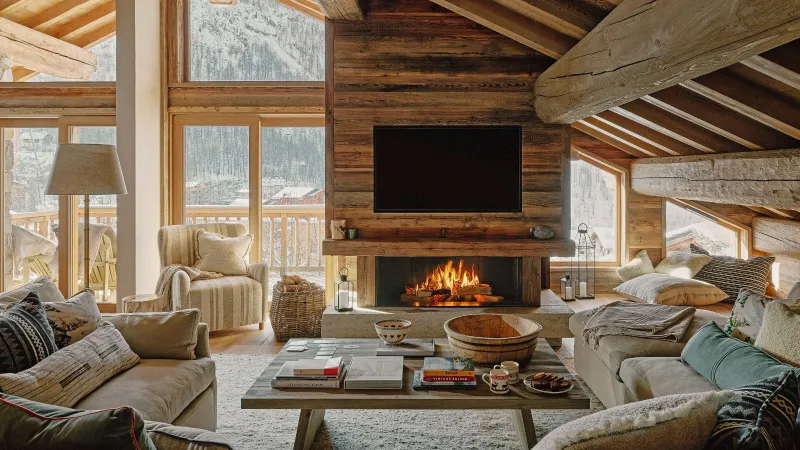
Photo: cozy alpine lodge interior warm wood beams concert venue lighting, via cdn.mos.cms.futurecdn.net
There's a particular feeling you get stepping into a well-designed Alpine venue in Europe. Maybe it's a festival hall in Bavaria, or a concert space tucked into the Austrian countryside — all exposed timber beams, warm amber lighting, stone walls that look like they've been standing since before your grandparents were born. The architecture does something to you before the first note plays. It says: you are somewhere special, and something worth remembering is about to happen here.
American venue designers have noticed. And increasingly, they're not just taking notes — they're building.
Across the US, a quiet but unmistakable trend is reshaping the aesthetics of live entertainment spaces. From converted warehouse theaters in Denver to purpose-built event halls in Nashville and boutique performing arts venues in the Pacific Northwest, architects and interior designers are reaching deep into the Alpine playbook to create spaces that evoke the warmth, intimacy, and slightly-otherworldly grandeur of European mountain culture. The result is a new category of American venue that feels simultaneously cozy and monumental — and audiences are showing up in a big way.
Why Alpine, and Why Now?
The timing isn't accidental. Post-pandemic, American live entertainment audiences emerged with a changed set of priorities. The sterile, maximally-efficient arena experience lost some of its luster. People started craving events that felt like somewhere, not just something. Venues that offered a sense of place — architectural identity, warmth, a feeling of being held by the space rather than processed through it — started drawing crowds that weren't just coming for the headliner. They were coming for the room.
"There's a real hunger for what I'd call 'destination atmosphere,'" says one interior designer who has worked on several venues in the Mountain West. "People have seen enough Instagram posts from European festivals and Alpine chalets that the aesthetic has real cultural currency now. It signals a certain quality of experience before anything else happens."
The Alpine reference point hits a particular sweet spot. It's European enough to feel elevated and intentional, but it's also deeply legible to American audiences who grew up with ski lodges, national park visitor centers, and the rustic-grand tradition of places like the Ahwahnee Hotel in Yosemite. It's foreign enough to feel like an escape, familiar enough to feel like home.
The Design Elements That Do the Work
So what actually makes a venue feel Alpine rather than just, say, rustic? The designers pulling this off successfully are drawing from a fairly specific vocabulary — and the details matter enormously.
Exposed heavy timber construction is almost always the foundation. Not decorative beams glued to drywall, but structural wood that carries actual weight and telegraphs actual craft. Paired with stone — whether genuine masonry or high-quality stone cladding — the combination creates a thermal, tactile quality that most modern construction materials simply can't fake. You want people to feel like the building has mass, like it's been there and will stay there.
Lighting is the other major lever. Alpine-inspired venues tend to favor warm, amber-toned sources — pendant lanterns, candlelight-adjacent LED fixtures, the occasional working fireplace or fire feature. The goal is to avoid the harsh overhead wash that makes most event spaces feel like conference rooms with better speakers. "You want the light to come from within the room, not down onto it," explains one lighting designer who has worked on venues from Colorado to the Carolinas. "Alpine spaces feel lit from the inside out."
Ceiling height plays a dual role — it creates the grandeur that lets these spaces feel worthy of serious performance, while the warm materials and intimate lighting pull that scale back down to human size. It's a tension the best Alpine-inspired spaces navigate beautifully: you feel small in the best way, not alienated.
Case Studies Worth Watching
A handful of American venues are leading the charge in ways that have started attracting attention beyond their local markets.
In Breckenridge, Colorado, several event and performance spaces have leaned hard into their literal mountain context, commissioning locally-sourced timber construction and incorporating stone from regional quarries. The effect is authenticity rather than theme-park imitation — these buildings feel like they belong to their landscape, which is ultimately the highest compliment you can pay to Alpine design.
In Nashville — not exactly mountain country — at least two newer music venues have taken the aesthetic in a more interpretive direction, blending the warm-wood-and-stone palette with Southern craft traditions to create something that feels genuinely hybrid rather than borrowed. It's Alpine by way of Appalachia, and it works.
The Pacific Northwest has perhaps the most natural fit, where existing architectural traditions around timber construction and indoor-outdoor living create a ready foundation for Alpine influence. Several performing arts spaces in Oregon and Washington have incorporated massive glazed walls that frame mountain or forest views alongside interior material palettes that echo European mountain halls — collapsing the boundary between the building and the landscape in ways that feel effortless.
What This Means for the Live Experience
Beyond aesthetics, the Alpine-inspired venue trend is having a real effect on how Americans experience live entertainment. Spaces designed with warmth and intimacy in mind tend to produce audiences that behave differently — more present, more engaged, less prone to the distracted scrolling that plagues larger, more anonymous venues. The architecture creates a social contract: this place was made with care, so we'll receive what happens here with care.
Performers notice it too. Artists who have played both standard touring venues and these more architecturally intentional spaces consistently describe a different energy from the room. The audience's attention feels more concentrated, more generous. Whether that's the acoustics, the atmosphere, or simply the shared understanding that everyone made a deliberate choice to be somewhere special — it's hard to separate the variables, and maybe that's the point.
What European mountain culture understood long before American live entertainment caught up is that the container shapes the contents. A great concert in a forgettable room is still a great concert, but a great concert in a room that feels like it was built for exactly this moment? That's something you tell people about for years.
The Alps, it turns out, are not just a destination. They're a design philosophy. And American venues are finally starting to speak the language.