Small Stages, Big Breaks: How Emerging Artists Are Using Mountain Venues to Launch Careers
There's a moment that happens at mountain shows that almost never happens at a 20,000-seat arena. The artist finishes a song, the crowd goes quiet for just a second, and in that brief silence you can actually hear the wind moving through the pines outside. It's a tiny thing. But musicians who've played both settings will tell you it changes everything — about how a performance lands, how a crowd connects, and how a career can quietly ignite.
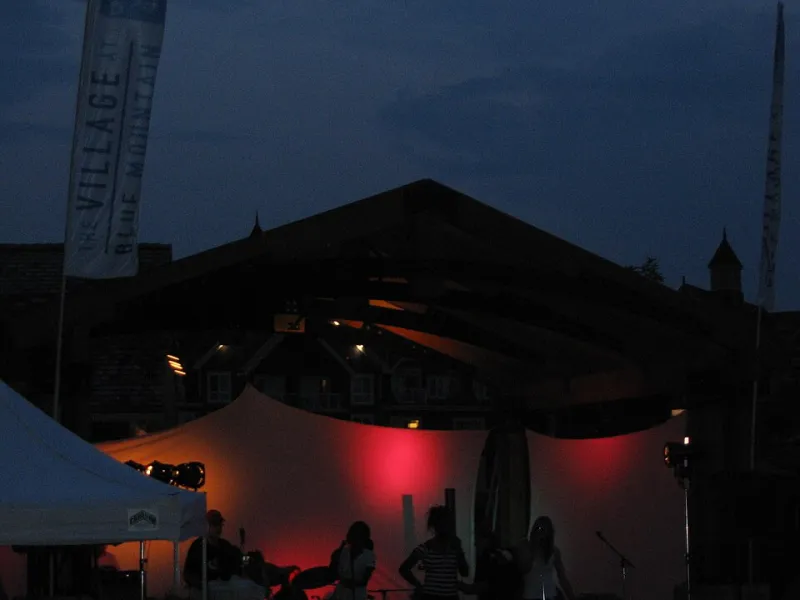
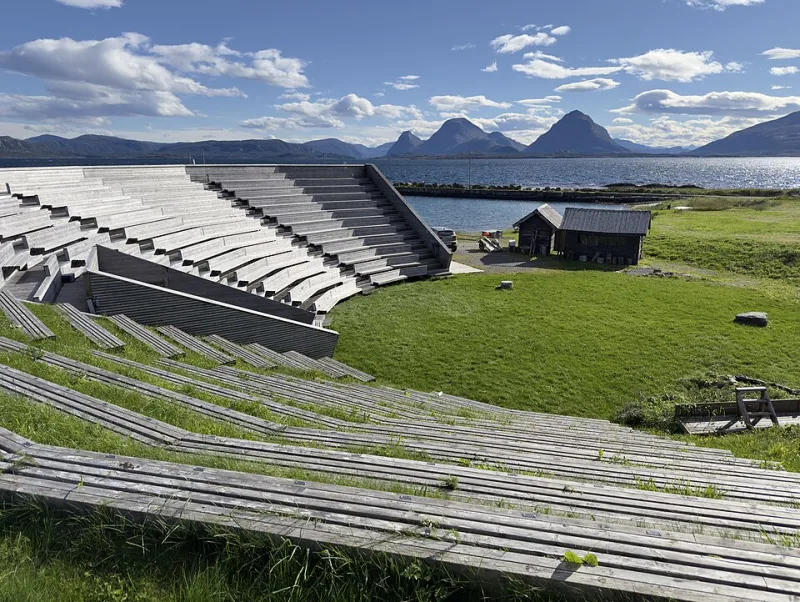
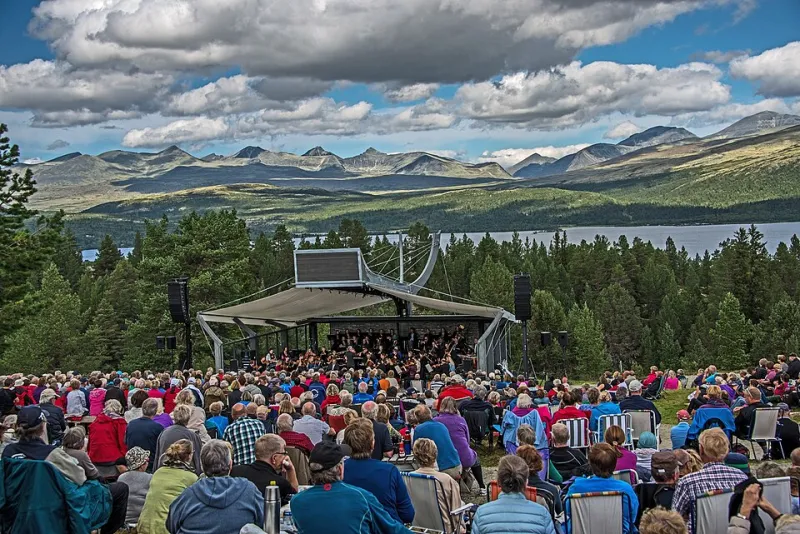
A surprising number of emerging artists have figured this out, and they're making deliberate choices that would have seemed counterintuitive a decade ago. Instead of grinding through the standard touring circuit — bar shows, mid-tier festival slots, opening gigs in big cities — they're booking smaller, more atmospheric venues tucked into mountain towns. Some of these spots have an explicitly Alpine sensibility: exposed timber framing, stone fireplaces, the kind of acoustics that come from low ceilings and wood-paneled walls. Others are just outdoor amphitheaters perched somewhere with elevation and a view. Either way, the effect is the same. The setting does half the work for you.
Why the Crowd Is Different Up Here
Let's start with the audience, because that's where a lot of this story begins. People who travel to mountain venues — whether it's a ski town in Colorado, a festival in the Appalachians, or an Alpine-themed music weekend in Vermont — aren't passive ticket buyers. They've made a real commitment to be there. They drove a winding two-lane road. They found lodging in a small town. They planned around the weather. That kind of investment creates a different energy in the room before the first note even plays.
For an emerging artist trying to build a real fanbase rather than just accumulate streams, that engaged audience is gold. These aren't people scrolling their phones and half-watching. They're present. They're listening. And when something moves them, they talk about it — to friends back home, on social media, in the parking lot after the show. Word-of-mouth from a mountain audience tends to travel further than its geography would suggest.
Singer-songwriter acts in the folk and Americana space figured this out early, but the trend has spread well beyond acoustic genres. Indie rock acts, electronic producers doing live sets, even jazz experimentalists have started recognizing that a 300-person room at altitude can generate more genuine momentum than a 3,000-person festival tent where you're one of forty acts.
The Intimacy Factor
There's something almost counterintuitive about how intimacy scales. You'd think playing to a smaller crowd would mean less impact, less exposure, less of everything. In practice, the opposite is often true — at least in the right setting.
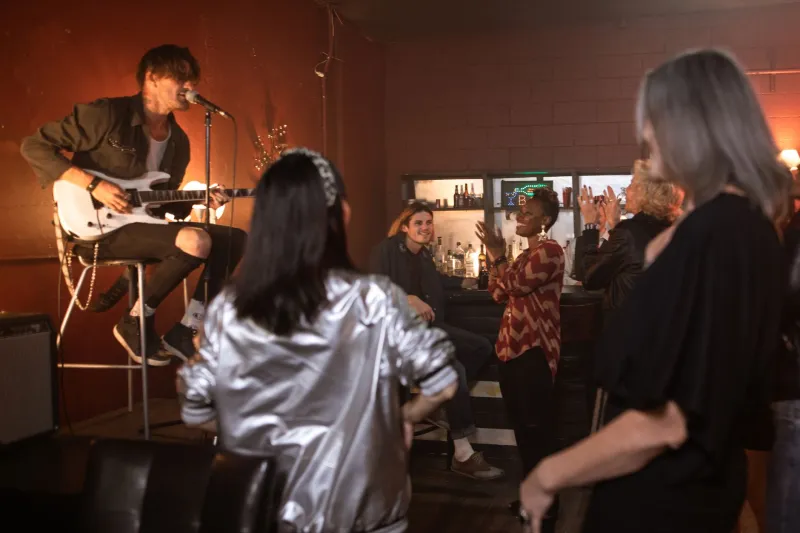
Mountain venues force a kind of closeness that bigger stages actively work against. The artist can see individual faces. They can hear the crowd react in real time without it being swallowed by arena reverb. They can take risks — try a new song, extend a jam, tell a story between tracks — without the pressure of managing a massive, distracted crowd. That freedom tends to produce the kind of raw, memorable performances that people actually remember years later.
This is the part that gets talked about in greenrooms and on music forums but rarely makes it into mainstream music coverage: breakthrough moments often happen not at the biggest shows, but at the ones where everything felt weirdly, perfectly small. The mountain setting amplifies that feeling. It creates a natural container for something special to happen.
Building the Fanbase Before the Buzz
The strategic calculus here is worth spelling out. The traditional path for an emerging artist involves playing to largely indifferent audiences at bigger venues, hoping to get noticed, and grinding until something clicks. The mountain venue approach inverts that logic. You play to smaller but more receptive audiences, you build genuine loyalty, and you create a foundation before the wider industry pays attention.
Several artists who've broken through in the last few years have talked openly about this approach in interviews. The pattern tends to look similar: a few years of intentional touring through mountain towns and scenic regional venues, building a reputation as a live act worth the trip, then leveraging that credibility when larger opportunities arrive. By the time a booking agent or label comes calling, there's already a real community of fans who've seen the artist in person and feel a personal connection to the music.
That community is harder to manufacture than it sounds, and it's harder to replicate through streaming numbers alone. Live music loyalty — especially the kind forged in a memorable setting — sticks in a way that algorithmic discovery usually doesn't.
The Alpine Aesthetic as a Brand Signal
Here's something that doesn't get discussed enough: the venue itself becomes part of an artist's story. When you play a beautifully designed mountain lodge with a stage framed by timber beams and a crowd bundled in flannels and down vests, those images carry a certain visual language. They signal something about the kind of artist you are — grounded, atmospheric, serious about the experience rather than just the spectacle.
For American audiences, venues with an Alpine or European mountain aesthetic carry a particular kind of romance. There's an association with craft, with tradition, with the idea that music is worth making a journey for. Artists who lean into that aesthetic — even if they're not playing in the literal Alps — borrow some of that cultural weight. It's not cynical branding. It's understanding that context shapes perception, and that a great performance in a great setting tells a more complete story than a great performance in a generic black-box room.
What This Means for the Wider Touring Landscape
The mountain venue strategy isn't going to replace conventional touring. There are real limitations — smaller capacities mean less revenue per show, remote locations make logistics complicated, and not every genre translates to the intimate mountain setting. But as a deliberate phase in an artist's development, it's proving remarkably effective.
Venue operators in mountain towns are noticing the trend and responding to it. More of them are actively courting emerging acts, offering residencies, building relationships with artist management, and positioning their spaces as genuine career launchpads rather than just regional stops on a longer tour. That creates a feedback loop: better programming attracts more engaged audiences, which produces better shows, which generates more buzz, which attracts better programming.
For music fans, this is genuinely exciting news. It means that some of the most interesting live performances happening in America right now are taking place in rooms you might not have thought to look for — tucked into mountain towns, framed by peaks, playing to crowds who drove a long way and showed up ready to listen.
The next big thing might just be playing right now at a 400-seat venue somewhere above 7,000 feet. And honestly? That sounds like exactly the kind of show worth chasing.