Off the Beaten Setlist: How Mountain Venues Are Luring Big-Name Artists Away from the Arena Circuit
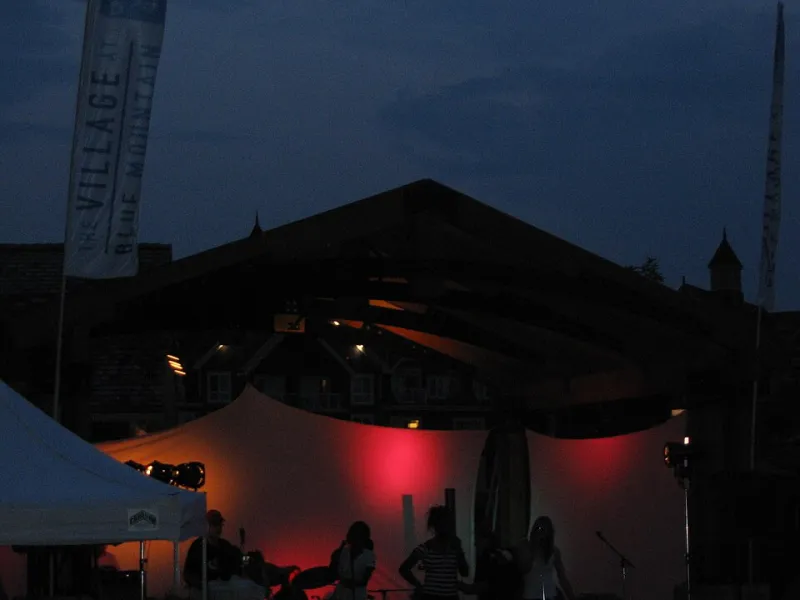
Photo: Share Bear, Public domain, via Wikimedia Commons
For decades, the touring playbook looked pretty much the same. You booked your Madison Square Gardens, your Hollywood Bowls, your Staples Centers — now Crypto.coms — and you called it a tour. The logic was simple: big cities, big crowds, big revenue. But something has been quietly shifting over the last few years, and if you talk to enough touring managers and venue operators, a pattern starts to emerge. The mountains are calling, and artists are actually picking up.
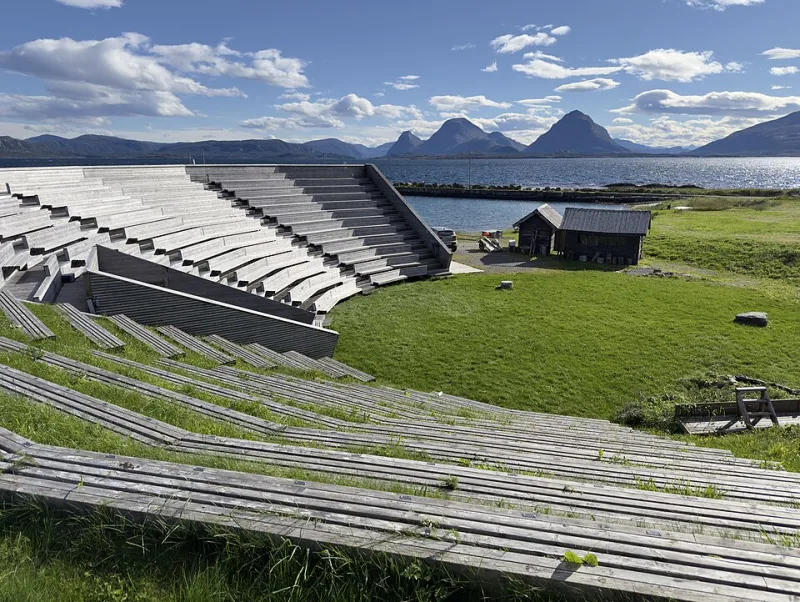
Smaller Alpine-inspired venues tucked into places like Telluride, Breckenridge, Asheville, and even some of the more remote pockets of the Pacific Northwest are landing on tour itineraries alongside — and sometimes instead of — traditional urban stops. It's not just a quirky trend. There are real economics, real production advantages, and a whole lot of artist preference driving the shift.
The Intimacy Factor Is Actually a Selling Point Now
Ask any touring manager what artists talk about most between legs of a major run, and the word "connection" comes up constantly. Arena shows are spectacles — nobody's arguing against that — but there's a growing sentiment among performers that the sheer scale of a 20,000-seat venue creates distance that's hard to bridge, even with the best lighting rigs money can buy.
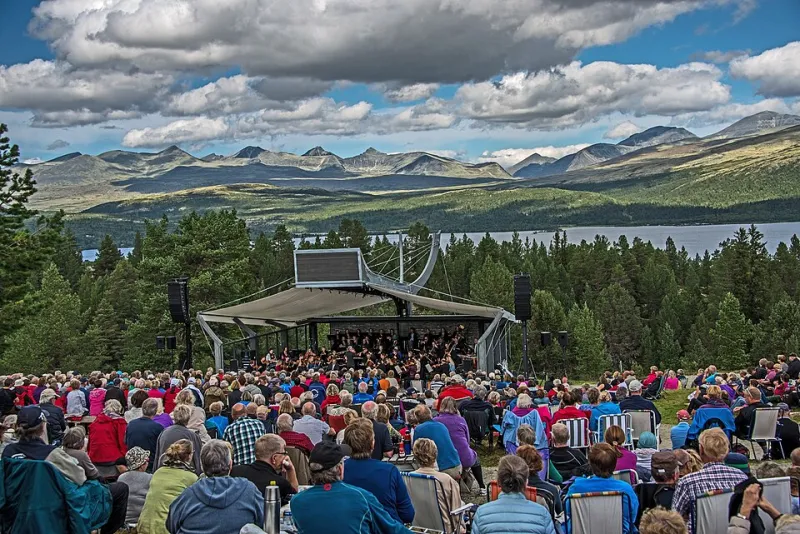
Mountain venues typically cap out somewhere between 1,500 and 5,000 seats, and that compression changes the entire energy of a show. The audience isn't watching from the nosebleeds. They're in it. And for artists who built their fan bases on that kind of raw, in-the-room electricity, returning to a more intimate setting isn't a step down — it's a deliberate creative choice.
One touring manager who works with several Grammy-nominated acts put it this way (speaking on background, as is common in this industry): "My clients don't want to play a shed to 15,000 people who are half-watching from the lawn. They want 3,000 people who drove four hours through the mountains because they actually care." That self-selecting audience dynamic is something mountain venues have quietly been trading on for years.
The Production Story Nobody's Talking About
Here's where it gets genuinely interesting. The assumption has always been that smaller venues mean smaller production. But a new generation of mountain venue operators has been investing heavily in technical infrastructure — and they're doing it in ways that traditional city halls simply can't replicate.
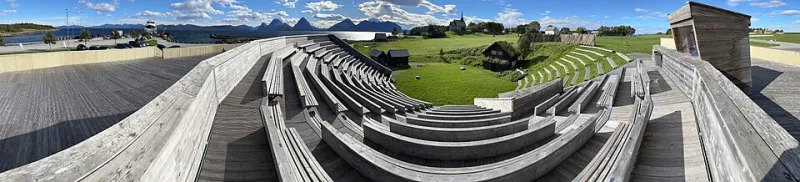
Natural acoustics are part of it. Venues built into hillsides, nestled against rock faces, or designed with timber and stone in the Alpine tradition often have acoustic properties that engineers rave about. There's less ambient city noise. There's less electromagnetic interference. And the natural reverb characteristics of wood-heavy architecture can do things that no amount of digital processing fully mimics.
Beyond sound, mountain venues have physical space to experiment. Without the constraints of urban footprints, some of these spots have built out load-in infrastructure, power capabilities, and rigging systems that rival much larger facilities. A few have even invested in on-site accommodations for touring crews — a perk that sounds small but matters enormously when you're asking a 40-person production team to spend three days in a remote location.
The Economics Aren't as Lopsided as You'd Think
The counterargument to all of this has always been revenue. A 3,000-seat mountain venue simply can't generate the same gross as a 15,000-seat arena — right? Well, it depends on how you're running the math.
Ticket premiums at destination mountain venues are often significantly higher than comparable urban shows. Fans who travel to see an artist in a setting like this are paying for an experience, not just a concert. VIP packages, multi-day programming, and bundled lodging deals can push per-head revenue well above what a standard arena ticket generates. Some venue operators have started working directly with artists on revenue-sharing models that account for the full economic ecosystem around the show — local hotel bookings, restaurant traffic, merchandise — rather than just the door.
Artists with strong merch operations also benefit from the captive audience dynamic. When your fans are staying in town for the weekend because there's genuinely nowhere else to go after the show, you have more opportunities to connect — and more opportunities to sell.
The Alpine Aesthetic as a Brand Extension
There's also a less quantifiable but very real factor at play: these venues photograph beautifully, and in the social media era, that matters. A stage framed by snow-capped peaks, or a crowd gathered under string lights in a timber-framed outdoor pavilion, generates the kind of organic content that marketing teams would spend millions trying to manufacture artificially.
Some artists have started timing mountain venue stops to coincide with album cycles specifically because the visual backdrop reinforces the aesthetic they're building around a release. The venue becomes part of the narrative, not just a place to perform.
Venue operators have caught onto this and are leaning in. Several mountain stages around the country have invested in elevated photography infrastructure — designated vantage points, better ambient lighting for crowd shots, and even partnerships with photographers who specialize in documenting the intersection of landscape and live performance.
What This Means for the Future of Touring
None of this means arenas are going anywhere. The blockbuster stadium tour isn't dead — if anything, the last few years have proven that the appetite for massive spectacle events is as strong as ever. But the touring circuit is diversifying, and mountain venues are carving out a legitimate lane.
For fans, this is mostly good news. More artists are willing to route through places that aren't New York, LA, or Chicago, which means more access for audiences who've historically had to travel to major metros just to see their favorite acts. For smaller mountain communities, the ripple effects — economic activity, cultural investment, visibility — can be transformative.
And for the artists themselves, there's something that keeps coming up in conversations with people who work closely with touring musicians: playing a mountain stage just feels different. The air is thinner, the stars are closer, and the crowd is there because they really, genuinely wanted to be.
That's not nothing. In an industry that can start to feel mechanical after enough tour cycles, that feeling is worth chasing — even if it means driving a few extra hours into the mountains to find it.