Why Small Mountain Stages Are Beating the Big Boys in the Fight for Artist Loyalty
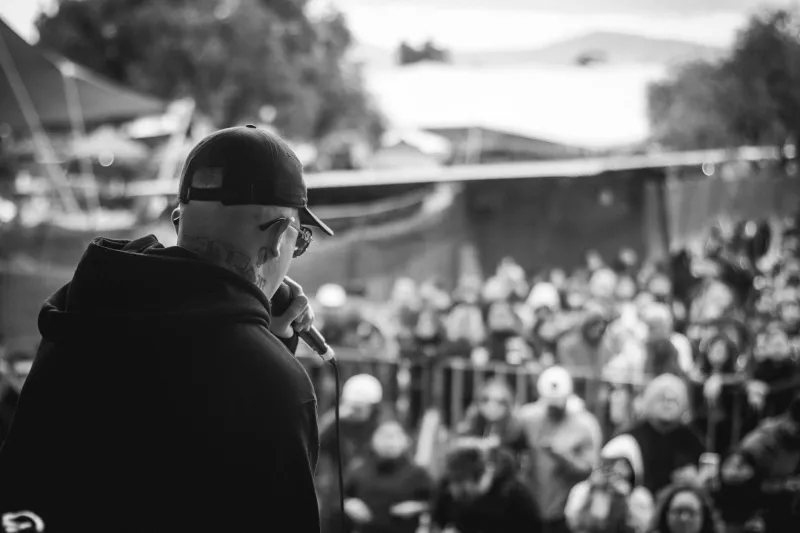
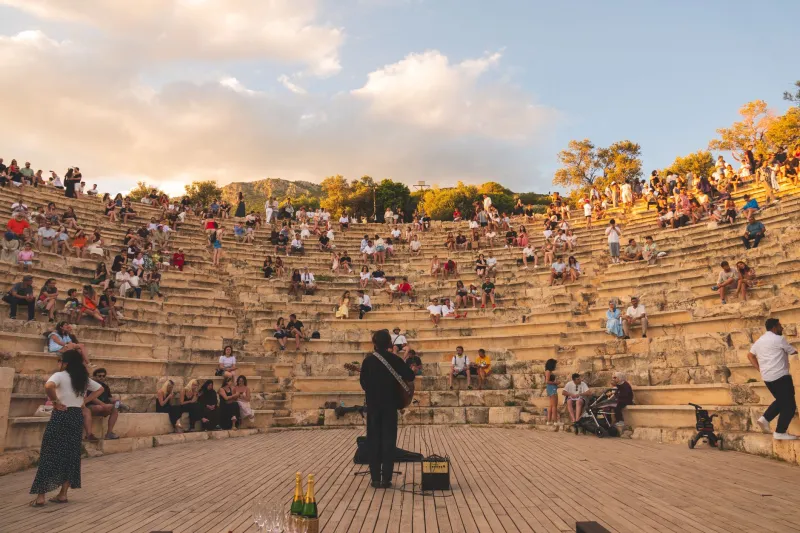
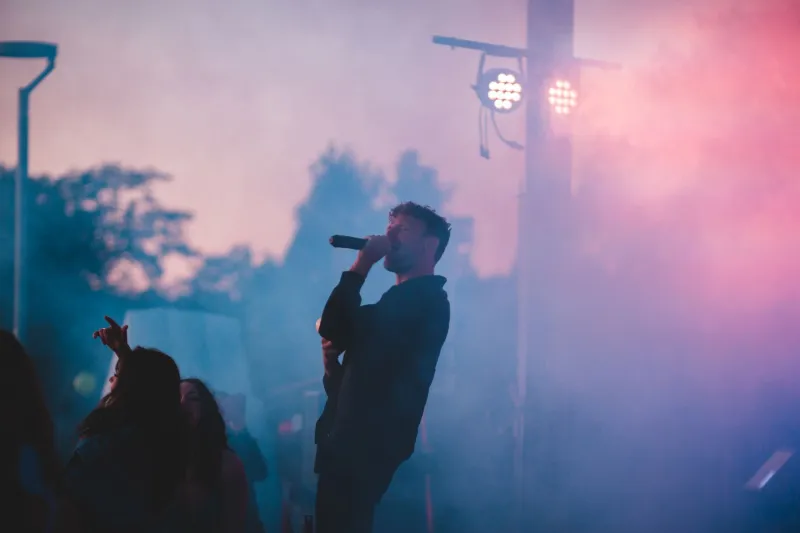
Something interesting is happening at the edges of the live music industry, and it's playing out on stages carved into ridgelines and nestled beside alpine meadows. Independent mountain venues — the kind with 2,000-person capacities and hand-painted signs — are winning over artists who could easily be filling arenas right now. And the mega-promoters who've long dominated the touring ecosystem are starting to notice.
This isn't just a vibe story. It's a structural shift, and it has real consequences for how live music gets made, distributed, and experienced in the years ahead.
The Promoter Problem Nobody Wants to Talk About
The major touring machine works something like this: a large promoter packages an artist into a multi-city run, handles logistics, takes a significant cut, and delivers audiences at scale. For a lot of artists, especially early in their careers, that model is genuinely valuable. You get reach, you get exposure, and somebody else handles the spreadsheets.
But the tradeoffs are steep. Setlists get standardized. Merch tables get corporatized. The meet-and-greet becomes a timed, transactional event. And the artist, increasingly, is just one moving part in a much larger machine optimized for margin — not meaning.
That friction point is exactly where independent mountain venues have found their opening.
"The conversation is completely different when you talk to a mountain venue," said one touring manager who works with several mid-sized Americana acts. "They're not asking what your streaming numbers are. They're asking what kind of experience you want to create."
Creative Control as Currency
At venues like Colorado's Mishawaka Amphitheatre or the storied Red Ute Theater tucked into the San Juan Mountains, the pitch to artists isn't about guarantees — it's about ownership. Ownership of the night, the narrative, and the relationship with the audience.
Artists who've played these rooms consistently describe something that bigger venues rarely offer: the ability to actually shape the event. Want to extend the set by 45 minutes because the crowd is locked in? Do it. Want to bring out a local opener who doesn't have a booking agent yet? Nobody's stopping you. Want to skip the barrier between stage and audience entirely? Some of these venues are built that way by design.
For artists who've spent time in the major touring circuit, that kind of flexibility can feel almost radical.
A folk-rock duo from Nashville — who asked not to be named because they're still in negotiations with a major promoter — described turning down a 30-city arena support slot in favor of a seven-stop mountain run through Colorado, Utah, and Idaho. The arena tour would have paid more. But the mountain run, they said, would let them debut new material, control their stage setup, and actually talk to the people who came to see them.
"We've done the big rooms," one half of the duo explained. "You feel like a product up there. The mountain shows feel like music again."
The Long-Game Partnership Model
What really separates the mountain venue ecosystem from the major promoter world isn't just one good night — it's what happens after. Independent venues in alpine towns have started building something that looks less like a booking calendar and more like a genuine artist development program.
Some venues are offering multi-year residency arrangements, where artists commit to returning annually in exchange for co-branded marketing, revenue sharing on merchandise, and even housing support for artists who want to write or record in the area between shows. It's a model borrowed loosely from the European festival circuit, where the relationship between venue and artist often spans decades rather than single engagements.
The economics make sense on both sides. Venues get built-in anticipation and returning audiences who follow specific artists. Artists get a home base, a community, and a predictable income stream that doesn't depend on chart performance.
For smaller mountain towns, this model has an added community benefit. When an artist becomes associated with a place — really associated, not just booked there once — it drives tourism, local spending, and a kind of cultural identity that a rotating roster of random acts simply can't produce.
Fans Feel the Difference
Ask anyone who's seen their favorite artist at a mountain venue versus a mid-sized city club or arena, and you'll hear variations on the same theme: it felt real.
Part of that is physical. Mountain acoustics, open air, and the natural amphitheater effect of a valley or ridgeline create an audio environment that's genuinely harder to replicate at sea level. But part of it is also relational. When an artist is invested in a venue and a community, audiences can feel that investment. The energy in the room — or the meadow — is different.
That emotional authenticity is increasingly valuable in a live music market where audiences have grown skeptical of over-produced, over-priced, under-personal concert experiences. Fans who feel genuinely connected to a show talk about it differently. They come back. They bring people.
For independent mountain venues operating without the marketing budgets of a Live Nation property, word-of-mouth built on genuine experience is the most powerful tool in the toolkit.
What This Means for the Future of Touring
None of this means the major touring ecosystem is going anywhere. Large promoters still have infrastructure, relationships, and scale that independent venues simply can't match. For certain artists and certain moments in a career, that machine is exactly what's needed.
But the mountain venue model is proving that there's a sustainable alternative — one that prioritizes depth over breadth, experience over efficiency, and long-term relationships over short-term transactions.
As more artists discover that they can build loyal, passionate audiences through carefully curated mountain runs rather than exhausting 40-city tours, the leverage in the artist-promoter relationship is slowly shifting. The mountains aren't just a backdrop anymore. They're a competitive advantage.
And for the fans lucky enough to catch a show up there? That's probably the best news in live music right now.