Ditch the Booth: Why More Artists Are Heading to the Mountains to Make Their Best Records

For decades, the recording studio was sacred ground. Soundproofed walls, climate-controlled air, a producer hunched over a mixing board with a cold cup of coffee — that was the image of how great music got made. But lately, a growing number of artists are blowing past that model entirely and hauling their gear up into the mountains. Not for a retreat. Not for a writing session. To actually record the album.
And the records coming out of these sessions? They're genuinely good. Sometimes shockingly so.
The Room Nobody Planned For
When musicians first started experimenting with alpine venues as recording spaces, it wasn't really a strategic decision. It was more like a happy accident — a band playing a festival show, noticing how the sound behaved differently up there, and thinking: what if we just stayed a little longer?
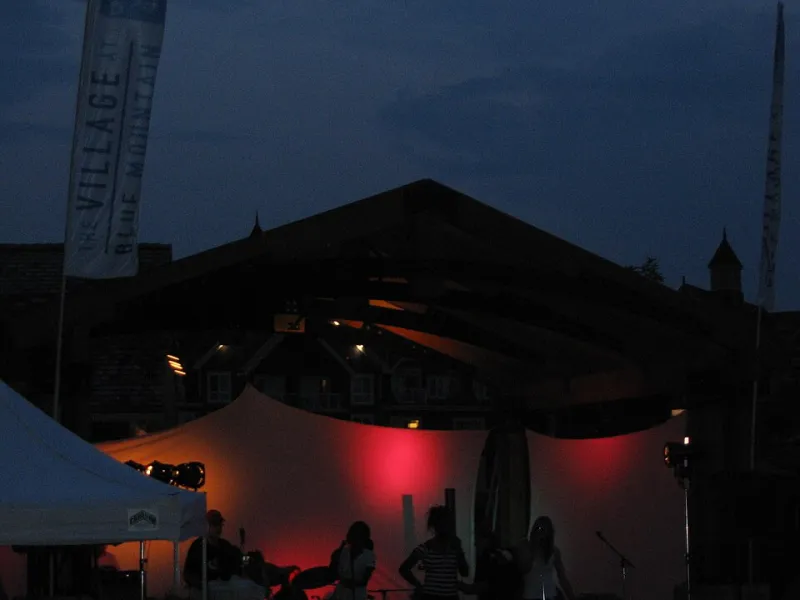
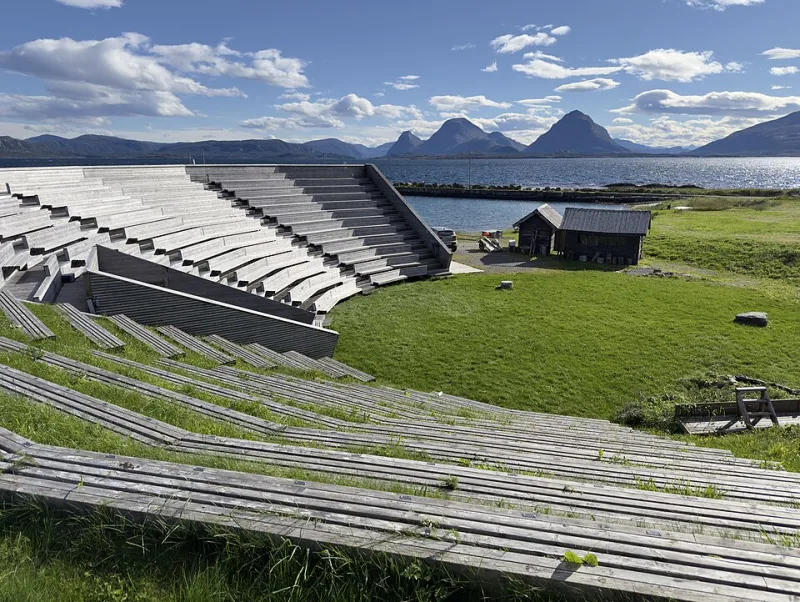
What they found is that mountain venues — the open-air amphitheaters, the timber-frame lodge halls, the stone-walled performance spaces tucked into valley floors — have acoustic properties that no studio engineer has ever quite managed to fake. The natural reverb off hard rock faces and wooden beams creates a warmth that digital processing has been chasing for years. Low-frequency sounds behave differently at elevation. The ambient noise floor is almost nonexistent compared to any urban recording environment.
In short, the room sounds like nothing else. And in music, the room is everything.
What Studios Can't Sell You
Here's the thing about traditional recording studios: they're built to control. Every variable is managed, every unwanted frequency absorbed, every outside influence stripped away. That's genuinely useful for a lot of music. But control has a cost, and more artists are starting to feel it.
When you record in a sealed studio, you're working in a kind of sensory vacuum. The performances can be technically flawless and emotionally inert at the same time. There's no air in the room — literally and figuratively. Some producers spend enormous amounts of time and money trying to inject life back into recordings that were too carefully managed to have any left.
Mountain venues flip that entirely. You're not controlling the environment so much as collaborating with it. A slight wind picking up outside during a quiet passage. The natural resonance of a vaulted ceiling built from century-old timber. The way sound travels differently when you're at 8,000 feet and the air itself is thinner. These aren't problems to be solved — they're textures that end up on the record.
The Audience Factor
Some of the most compelling mountain recordings aren't solo sessions or small-band affairs — they're recorded in front of live audiences, even modest ones. And that changes the performance in ways that even the best session musicians will tell you can't be manufactured.
There's a particular energy that comes from playing for a room full of people who've traveled somewhere beautiful to hear music. Festival crowds at alpine venues tend to be deeply engaged — they came a long way, they're present, they're listening. That attention is palpable. It gets into the performance. It makes singers hold notes longer, makes guitar players take risks they wouldn't take alone in a booth, makes the whole band lock in together in ways that a click track and a set of headphones just can't replicate.
Several artists who've released live alpine recordings have mentioned in interviews that the takes they ended up using weren't the technically cleanest ones — they were the ones where something happened. A spontaneous key change. A lyric that got reinterpreted in the moment. A crowd exhale between verses that made it onto the final mix and somehow made the song better.
You can't schedule that. You can't produce it. You just have to be somewhere that makes it possible.
The Logistics Are Harder — and Worth It
Let's be honest: recording at a mountain venue is not the easy choice. Getting equipment up there, managing power and connectivity, dealing with weather windows, coordinating with venue schedules — it's a real logistical challenge compared to booking time at a studio in Nashville or Los Angeles.
But a growing number of artists and their teams are deciding the results justify the headache. Mobile recording technology has improved dramatically over the past decade, which helps. High-quality remote recording rigs are more portable and more affordable than ever, making it realistic for mid-level and even independent artists to pull off a mountain session without a major label budget backing them.
The other thing working in favor of this trend? The storytelling. An album recorded live at an alpine venue in Colorado, or at a mountain festival in the Swiss Alps, or at a timber hall in the Pacific Northwest comes with a built-in narrative that a studio record simply doesn't have. In an era where music discovery is increasingly driven by content and story, that context matters. Fans connect with the where as much as the what.
European Influence, American Ambition
It's worth noting that this trend has strong roots in European festival culture, where the relationship between landscape and performance has always been taken more seriously. Alpine venues across Austria, Switzerland, and Germany have hosted intimate acoustic sessions and live recordings for years, partly because the culture there treats the mountain environment as an active participant in the artistic experience rather than just a backdrop.
American artists who've toured or performed at European mountain festivals have been bringing that sensibility back home. You can hear it in the way some of these records are sequenced and presented — with a patience, a spaciousness, that feels more European in temperament. Less compressed, less maximalist, more willing to let a moment breathe.
That influence is showing up in venues across the American West and Pacific Northwest, where promoters and venue operators are increasingly marketing their spaces not just as performance destinations but as creative environments. Some are actively partnering with artists to facilitate recording sessions, seeing it as both a revenue stream and a way to build long-term relationships with musicians.
A New Kind of Live Record
The mountain recording movement is also quietly redefining what a "live album" even means. The old model — a board recording from a major tour stop, often mixed to sound as close to the studio version as possible — is being replaced by something more intentional. These are albums conceived from the start as mountain recordings, with setlists and arrangements built around the acoustic environment, with audiences curated and intimate, with the goal of capturing something that could only exist in that specific place.
That's a genuinely different artistic object. And listeners are responding to it.
So if you hear that one of your favorite artists is heading to some alpine venue in the middle of nowhere to make their next record, don't feel sorry for them. They figured something out. The mountains have always had a way of making people sound like the best version of themselves — and it turns out that goes for musicians too.