The People Behind the Peak: Meet the Unsung Crew Keeping Mountain Venues Alive
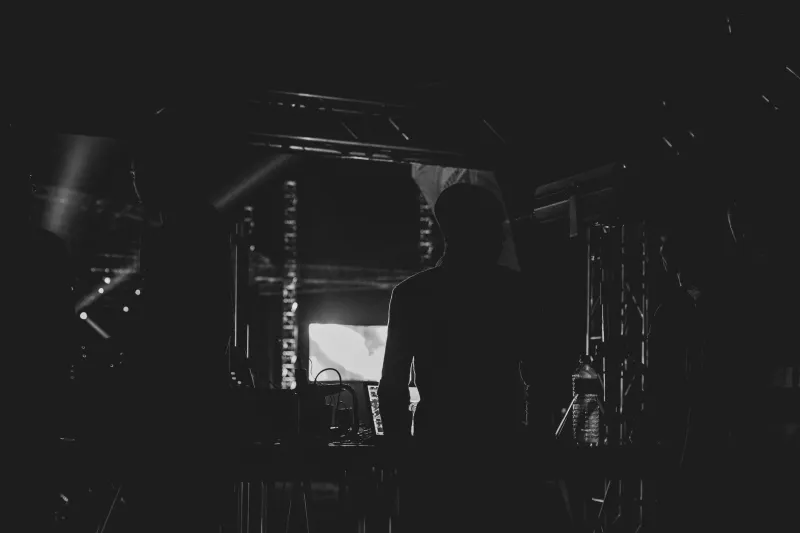
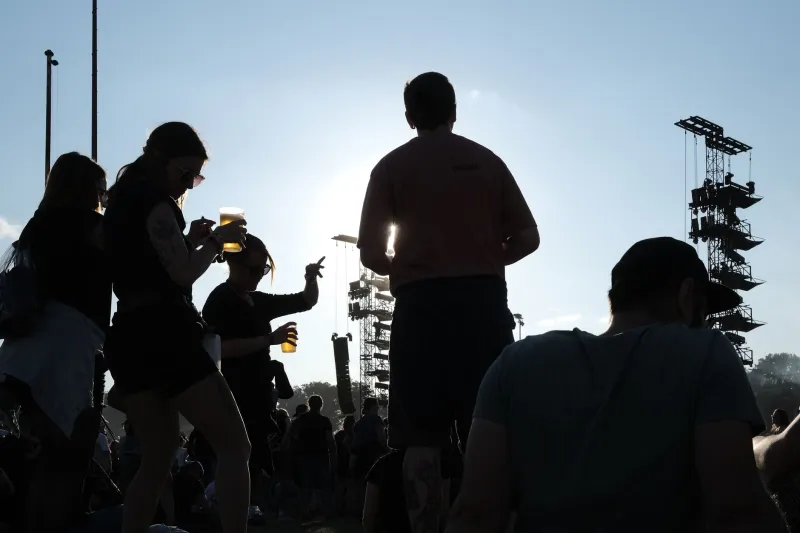
By the time the headliner walks onstage, the work that made it possible has been going on for days — sometimes weeks. The crowd sees the lights, hears the sound, feels the energy of a few thousand people gathered in an improbable place. What they don't see is the avalanche forecaster who cleared the access road that morning, the altitude physiologist who briefed the touring band's medic the night before, or the rigging specialist who spent six hours in a harness hanging speaker arrays from scaffolding that had to be engineered specifically for high-wind mountain conditions.
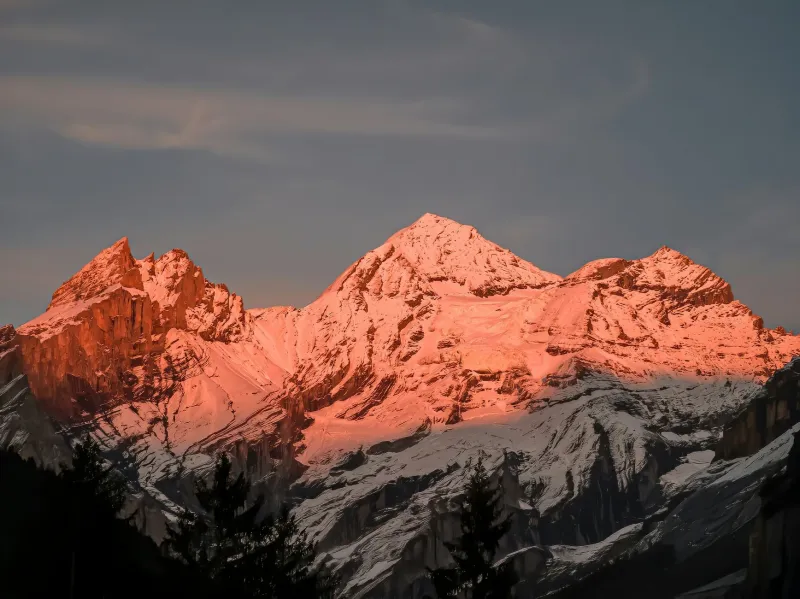
Mountain venues are extraordinary places to experience live music. They're also extraordinarily complex places to operate. And the people who make that operation work are some of the most specialized, quietly dedicated professionals in the entire live entertainment industry.
The Forecaster in the Wings
In most of the mountain regions where high-altitude festivals operate, there is someone whose job title would look deeply out of place on a typical concert production sheet: avalanche forecaster.
In winter-adjacent shoulder seasons — and some mountain festivals push right up to the edge of those windows — the question of whether a road is safe, whether a slope above a venue poses risk, whether a weather system moving in overnight could fundamentally change the safety calculus of an outdoor event, falls to specialists who typically work in backcountry ski operations or with state transportation departments.
"I've done avalanche consulting for three different festival operations in Colorado and Utah," says one forecaster who asked to remain anonymous. "Most people would be surprised how routine it is by this point. But the first time I had to tell a festival director that we needed to delay load-in by eight hours because of a slide path above the main access road, I could see how foreign that concept was to them. They were used to weather delays. They weren't used to terrain delays."
The forecasters who work with mountain venues describe a process of ongoing environmental monitoring that begins weeks before an event and continues through load-out. It's a discipline that requires deep knowledge of specific terrain, seasonal snowpack, and the kind of localized pattern recognition that only comes from years of working in a particular range.
The Altitude Medic
Altitude sickness is real, it's unpredictable, and it doesn't care about your tour schedule. For performers flying directly from sea-level cities to venues sitting above 8,000 feet, the physiological shock can range from a mild headache to acute mountain sickness that sidelines a performer entirely.
Enter the altitude physiologist — a role that has quietly become standard practice at the more professionally run mountain festivals. These specialists work directly with touring parties in the days before a performance, guiding acclimatization protocols, monitoring symptoms, and sometimes making the call that an artist needs supplemental oxygen or an extra day before they're ready to perform.
"Most touring medics are trained for trauma and acute illness," explains one altitude medicine specialist who has worked with several festival operations. "High-altitude physiology is a different discipline entirely. The symptoms can be subtle at first — fatigue, slight disorientation, disrupted sleep — and they can escalate quickly if they're not managed properly. Having someone on site who actually knows altitude medicine, not just general first aid, makes a significant difference."
For the artists themselves, the experience of working with an altitude specialist is often their first real encounter with the unique demands of mountain performance. Several touring musicians described it as unexpectedly humbling — a reminder that the mountains operate on their own terms, and that preparation matters in ways that a city gig simply doesn't require.
The Load-In Crew
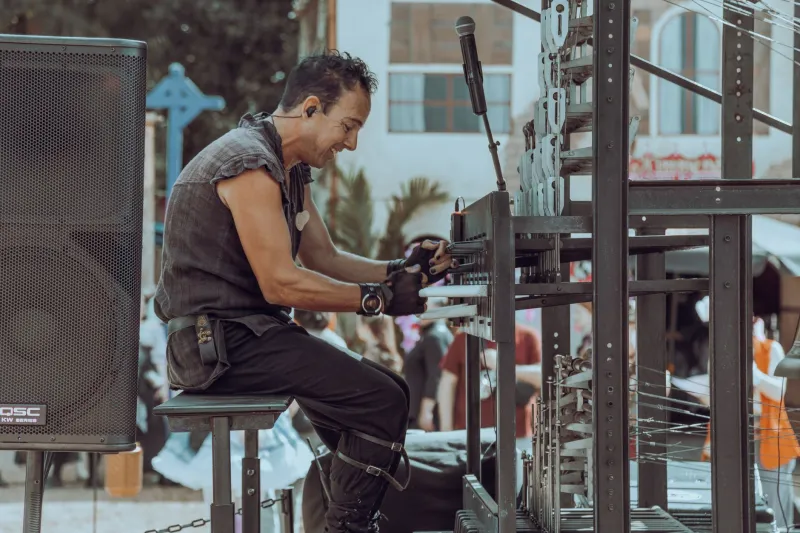
If the altitude medic and the avalanche forecaster represent the more exotic end of mountain venue staffing, the load-in crew represents the end that's simply brutal in its physical demands.
Getting production gear to a remote mountain venue is a logistical operation that bears almost no resemblance to rolling a truck up to a loading dock in an urban arena. Switchback roads with weight restrictions, elevation gains that push diesel engines to their limits, weather windows that can close without warning — all of it falls on the shoulders of the people doing the actual physical work of getting sound systems, lighting rigs, stage components, and infrastructure into places that weren't designed to receive them.
"We had a load-in last summer where the access road was passable for exactly three hours in the morning before afternoon thunderstorms made it unsafe," recalls one production manager who has worked mountain festivals for eight consecutive years. "We had two semi trucks and a full stage package to move in that window. The crew worked like I've never seen anyone work. Not for extra pay — just because that's what it took."
The seasonal nature of mountain festival work creates a crew culture unlike anything in the permanent venue world. Many of the workers who show up for these events are veterans of multiple seasons at the same festival — people who have developed a specific institutional knowledge of a particular venue's quirks, challenges, and rhythms that no amount of general production experience can replace.
The Groundskeepers and the Fixers
Beyond the specialized roles, mountain venues run on a class of generalist workers who are, in the most literal sense, irreplaceable. These are the people who know where the backup generator is buried under three feet of storage gear, who understand that the second electrical panel has a quirk that will trip a breaker if you run certain combinations of equipment, who can fix a fence post or clear a drainage channel or calm down a first-time festival vendor who is having a very bad morning.
They are often local — hired from the communities closest to the venue, people who grew up in these mountains and carry a practical relationship with the terrain that no training manual can replicate. Their knowledge is hyperlocal and irreplaceable, and the best festival operators know it.
"We have people who have worked this site for fifteen, twenty years," says one venue operator in the mountain West. "They know things about this land that I don't know and never will. When something goes wrong — and something always goes wrong — those are the first people I call."
Giving Credit Where It's Long Overdue
The conversation around live music tends to focus, naturally, on the music. On the artists, the performances, the moments that become memories. That's as it should be. But there's something worth pausing on when it comes to mountain venues specifically — the recognition that what happens on those stages is only possible because of an extraordinary chain of human effort and expertise that extends far beyond anything visible from the crowd.
The avalanche forecaster, the altitude medic, the load-in crew working before sunrise in thin air, the local fixers who know every inch of the terrain — these are the people who turn a beautiful but inhospitable place into somewhere a few thousand humans can gather and feel something together.
Next time you're standing at a mountain show watching the lights come up and the first notes ring out into the valley, it's worth a quiet acknowledgment of the invisible army that made the whole improbable thing possible. They were there long before you arrived, and they'll be there long after you've gone home.