Breathe Easy: How Mountain Venues Are Quietly Becoming Sanctuaries for Burned-Out Artists
There's a moment that a lot of touring musicians describe but rarely talk about publicly. It happens somewhere around the fourteenth consecutive night in a different city — the green room starts to look identical, the crowd becomes a blur, and the thing you loved most about making music starts to feel like a job you can't quit. The industry has a word for it: burnout. And for years, the only prescription was to push through.
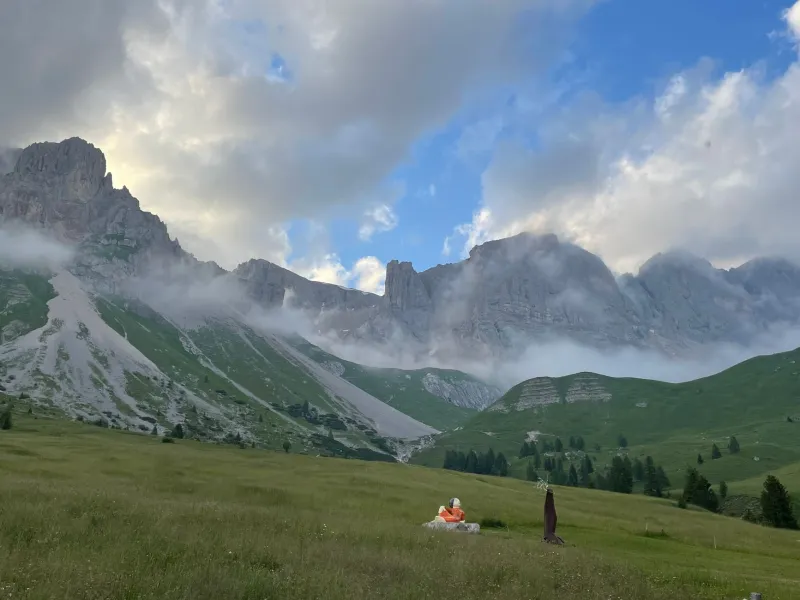
But something is shifting. Quietly, and with very little fanfare, mountain venues across the American West and Rocky Mountain corridor have become an unlikely refuge for performers who need more than a day off. They need to breathe — literally and figuratively.
The Problem Nobody Talks About Loud Enough
The statistics around musician mental health are sobering. Studies consistently show that touring artists experience anxiety, depression, and substance dependency at rates significantly higher than the general population. The combination of isolation, irregular sleep, financial pressure, and the constant performance of a public persona creates a psychological pressure cooker that even the most resilient artists struggle to manage.
For years, the industry response was essentially: that's the deal. You want the career, you absorb the cost. But that attitude is changing, partly because some of the artists most willing to speak up about it happen to have found relief in the same unexpected place.
"I did a mountain festival in Colorado two summers ago and I genuinely didn't want to leave," says one indie folk artist who tours primarily in the Northeast. "It wasn't just the show — it was the three days before the show. No cell service, no label calls, no Instagram strategy meetings. I slept nine hours a night. I didn't know I was allowed to do that anymore."
What the Mountains Actually Offer
It's tempting to frame this as a trendy wellness story, but the pull of high-elevation venues goes deeper than aesthetics. Several tour managers who spoke with Edelweis Live described a consistent pattern: bands that play mountain festivals tend to arrive stressed and leave noticeably different.
Part of it is practical. Remote venues force a kind of digital detox that urban gigs simply can't replicate. When you're three hours from the nearest major city and your phone has two bars on a good day, the usual flood of industry noise — streaming numbers, social media metrics, label feedback — recedes naturally. Artists who struggle to unplug in cities find that the mountains do it for them.
But there's also something less tangible happening. Psychologists who work with high-performance individuals have long noted the restorative effect of natural environments, particularly those involving open space, physical elevation, and reduced ambient noise. Mountains check every one of those boxes.
"There's real science behind the idea that natural environments reduce cortisol levels and restore directed attention," says one wellness consultant who has worked with several touring acts. "When you combine that with the physical reality of being at altitude — the slower pace your body adopts, the deeper breathing — you're creating conditions that are genuinely therapeutic. It's not a coincidence that artists feel better up there."
Venues That Are Leaning Into It
Some mountain venues have started to recognize this dynamic and are actively building it into their artist experience. Rather than treating the days surrounding a performance as logistical downtime, a handful of forward-thinking operators are designing intentional programming around artist wellbeing.
That might look like private hiking access before soundcheck, communal meal experiences with local food instead of standard catering, or simply ensuring that artist accommodations are genuinely quiet and secluded rather than adjacent to the festival grounds. A few venues have even brought in licensed therapists or meditation facilitators as part of their artist services package — a development that would have seemed absurd in the industry even a decade ago.
"We started thinking about it from the artist's perspective," explains one venue director in the Colorado high country who preferred not to be named. "These people are under enormous pressure. If we can give them two or three days where that pressure is genuinely lifted, they perform better, they're more present with the audience, and they leave wanting to come back. It's good for everyone."
The Tour Manager's Perspective
Tour managers — the largely invisible architects of a band's daily existence on the road — have perhaps the clearest view of how mountain gigs affect the people they work with. Several described mountain festival slots as something they now actively seek out when routing tours, not just as a geographic stop but as a strategic mental health intervention.
"I'll be honest, I used to think of mountain shows as logistically annoying," says one veteran tour manager who has worked with acts ranging from regional folk bands to mid-size rock outfits. "Getting gear up there, dealing with altitude sickness, the weather variables — it's a lot. But I've watched bands come out of those shows genuinely transformed. The vibe is different. The backstage is different. I've started building them into tours on purpose now, specifically when I can see a band starting to fray."
The altitude itself plays a role that surprises many first-timers. The physical adjustment required at elevation — drinking more water, moving more slowly, acclimatizing to thinner air — imposes a kind of mandatory mindfulness. You can't sprint through your day at 10,000 feet the way you can at sea level. Your body won't allow it. For artists accustomed to running on adrenaline and caffeine, that forced deceleration can be genuinely revelatory.
More Than a Trend
It would be easy to dismiss this as a niche phenomenon — a handful of artists romanticizing the mountains while the real industry grinds on in arenas and amphitheaters. But the conversations happening at the margins of the live music world suggest something more durable is taking shape.
As mental health awareness continues to grow across the entertainment industry, and as more artists publicly discuss the toll that constant touring takes, the venues that have proactively positioned themselves as places of restoration are finding themselves with a genuine competitive advantage. Not just in booking talent, but in building the kind of long-term relationships with artists that turn a one-time gig into a recurring commitment.
The mountains have always been where people go to clear their heads. It turns out that applies to musicians too — maybe especially to musicians. And the venues smart enough to understand that aren't just selling a stage. They're selling something the rest of the industry has been terrible at providing: a reason to exhale.
Up here, where the air is thin and the noise of the industry feels very far away, a growing number of performers are finding out what they actually sound like when nobody's watching their metrics. Most of them seem to like what they hear.